ROTLICHT 2026: Vienna’s festival for analogue photography – with five workshops by D&T PHOTOgraphy
From 27 November to 6 December 2026, Vienna once again becomes the meeting point for analogue photography: the ROTLICHT. Festival for Analog Photography enters its sixth edition. It was founded by Dino Rekanović, who has worked with Torsten Wieczorek for years as the Wiener Alchemisten (Viennese Alchemists), and he still directs it together with co-director Michael Laubsch. ROTLICHT is run by the non-profit association ZIGUTAMVE, which has promoted contemporary photography since 2016. D&T PHOTOgraphy has been a workshop partner from day one – and this year we are taking part with five courses on historical processes.
Ten days, an entire city
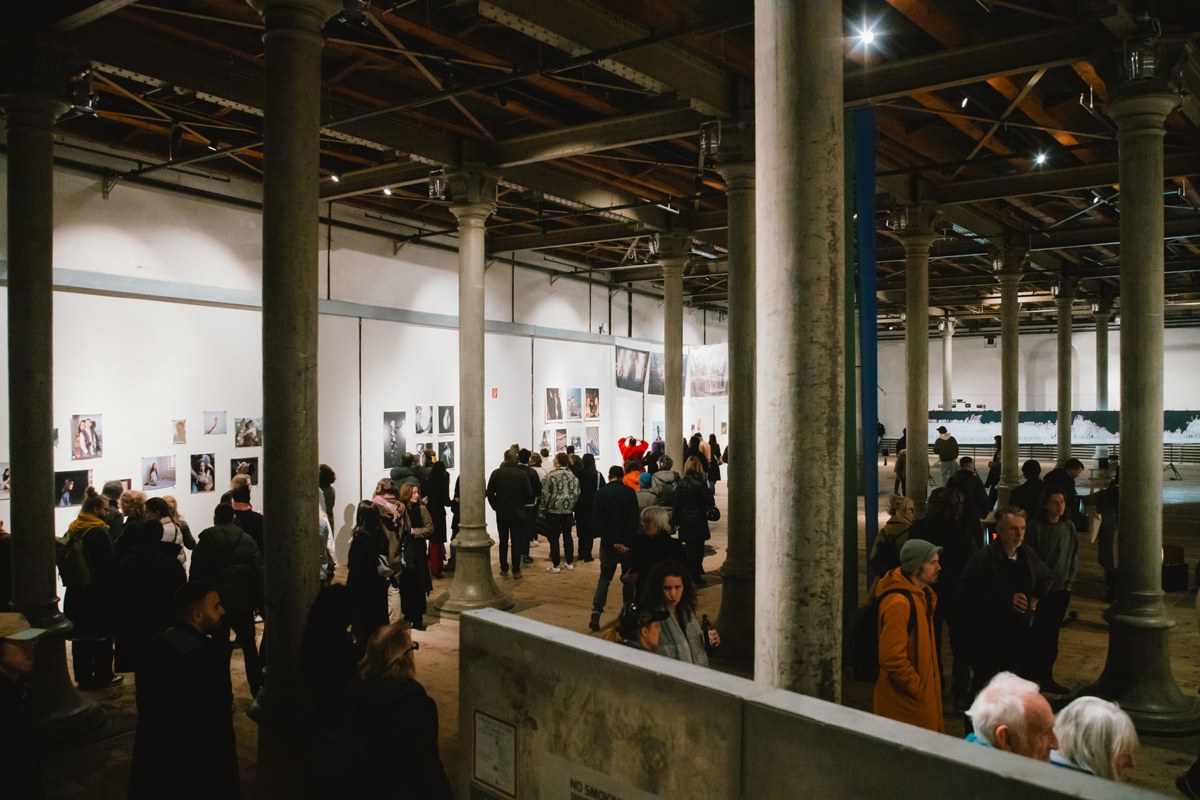
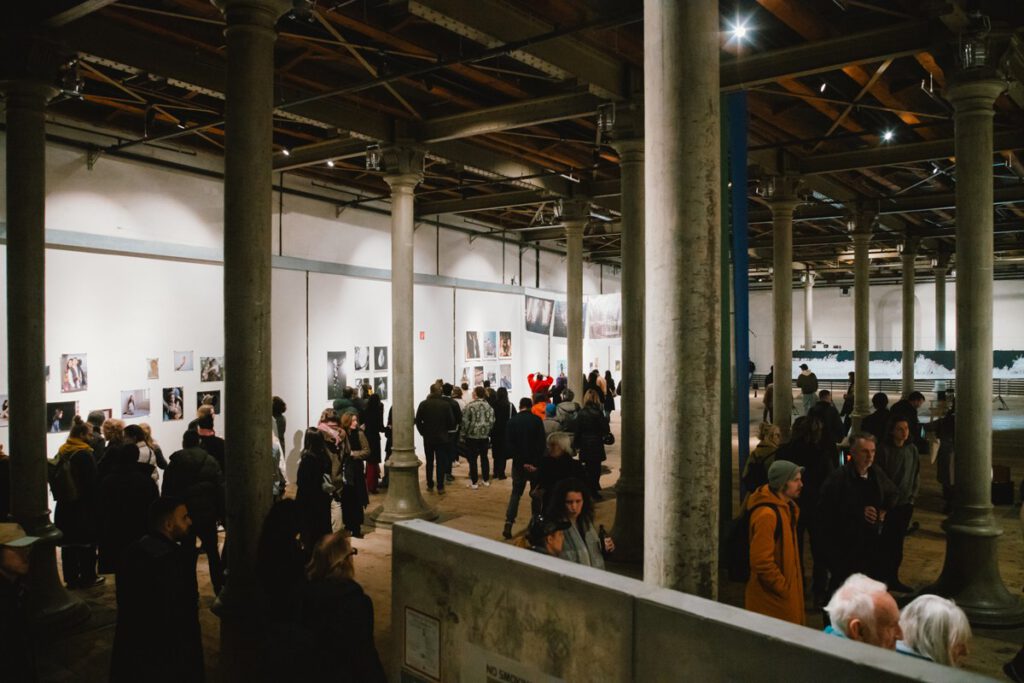
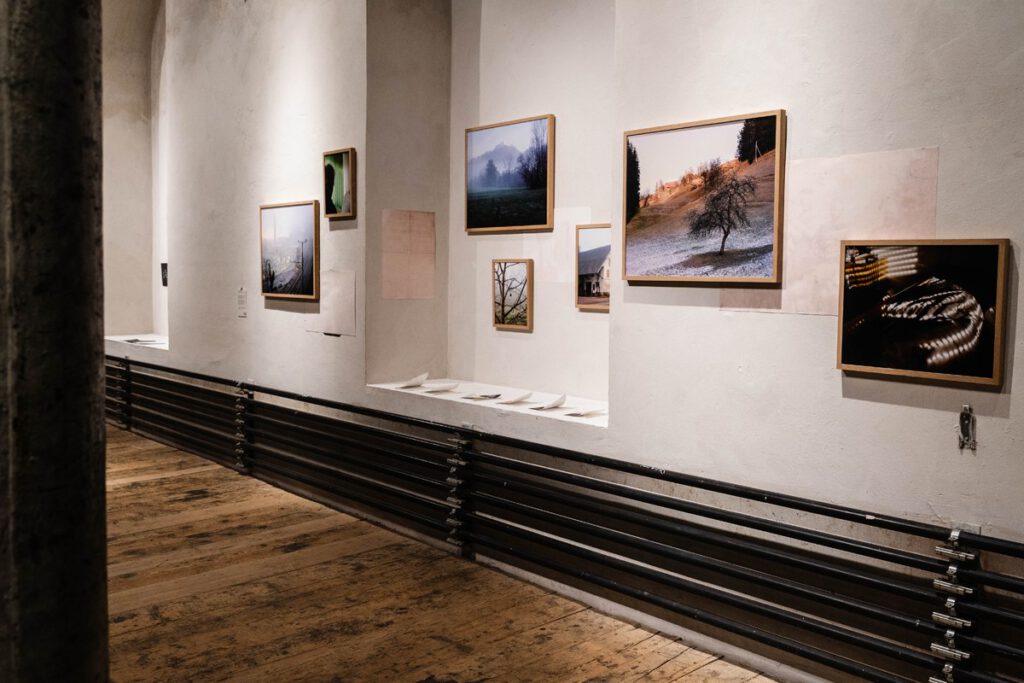
The name refers to the red safelight of the darkroom. At the heart of the festival is its headquarters in the Atelierhaus of the Academy of Fine Arts Vienna, the former Semperdepot at Lehárgasse 8. The main exhibition in the Colonnade Hall alone covers more than 1,300 square metres, complemented every year by around 30 further exhibitions in galleries, off-spaces and studios across many districts.
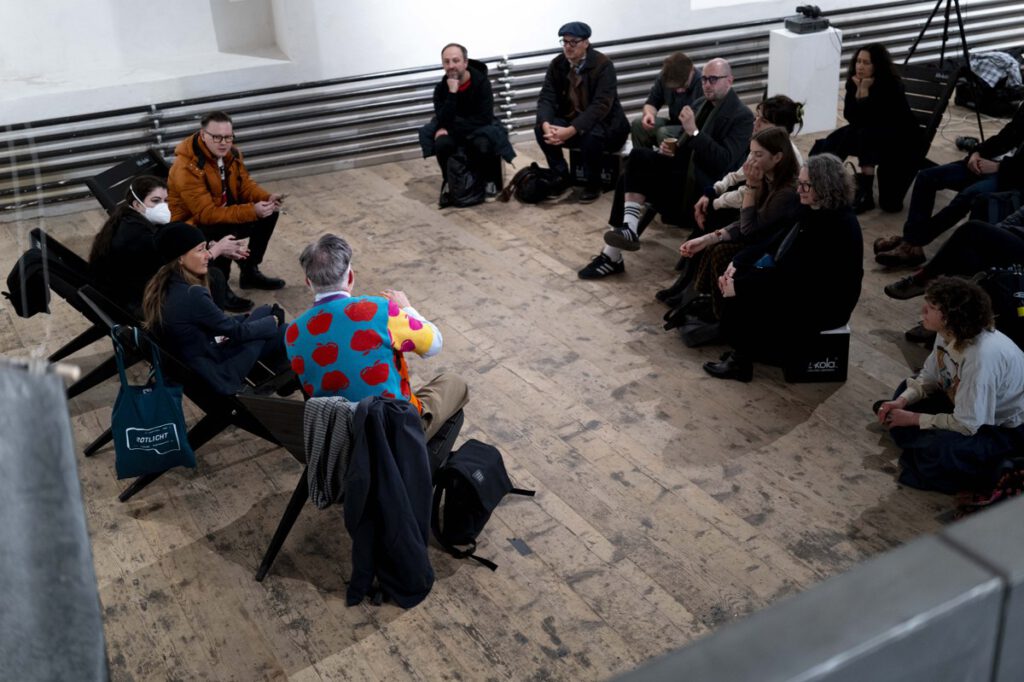
Visitors experience far more than pictures on a wall: artist talks and guided tours in which the artists present their own work, photo walks away from the familiar tourist routes, evenings with concerts and parties, and an extensive course programme ranging from film development to alternative printing techniques. Everyone is welcome – the curious as well as ambitious amateurs and professionals.
Open call and jury: international perspectives
The core of the main exhibition is an international competition. Until the end of June, photographers aged 16 and over could submit projects that use at least one analogue process; this year’s theme was “The Anthropocene: Hybrid Realities” – the relationship between people, nature and the image, between intervention and dissolution, influence and vulnerability. An international jury selects 20 projects. The winners receive a place in the main exhibition and the festival catalogue, prize money and a travel allowance; the Grand Prix winner is additionally awarded a solo exhibition at the Photo Cluster Gallery and provides the image for the festival poster and catalogue.
The 2026 jury: Miha Colner (chair, Galerija Božidar Jakac, Slovenia), Miriam Marzura (Leica Galerie Wien), photographer and filmmaker Reiner Riedler, Wiktoria Michałkiewicz (REZO), Sabina Salamon (Museum of Modern and Contemporary Art Rijeka), István Virágvölgyi (Robert Capa Contemporary Photography Center, Budapest), Florence Drouhet (Festival La Gacilly-Baden Photo) and Hanin Hannouch (Weltmuseum Wien).
The 2026 winners
The jury reviewed 327 submissions from 44 countries; the 20 selected projects come from 14 countries. The Grand Prix goes to Beihua Guo (USA) for “Designated Ground Zeros”: he photographs sites listed in a 1956 US study as potential nuclear targets and prints them as uranotypes – so the very material of the images points to the history of these places.
The range of the other works extends from Ludovica Bastianini’s “Chronostasis” (Italy) and Benito Drebing’s “There should be a Forest here” (Germany) to Kush Kukreja’s “Plastic Typology” (India) and Seunggu Kim’s “Hadong Observatory” (South Korea). Austria is represented by Mark Chehodaiev (“Hotel Europa”), Sophie Neumann (“Bouquet”) and Tanja Oberbramberger (“Traces of Control”). All 20 projects are presented on the festival’s winners page. The show is complemented by the “Festival Selection”, dedicated in 2026 to “The Anthropocene Illusion” by London photographer Zed Nelson. Most of the award winners travel to Vienna for the opening weekend and guide visitors through the exhibition themselves.
The 2026 programme
The opening on 27 November is followed by nine days of exhibitions, talks and events throughout the city. Around twenty courses offer hands-on craft – including RA-4 colour printing, black-and-white reversal processing, building your own camera obscura, Polaroid emulsion lifts, screen printing, lumen printing and experimental cyanotype. Grand Prix winner Beihua Guo demonstrates his technique in “Printing with uranium?”, and Dino Rekanović introduces film development and darkroom work. The full daily programme with talks, tours and evening events is published on rotlicht-festival.at/program.
Our five workshops
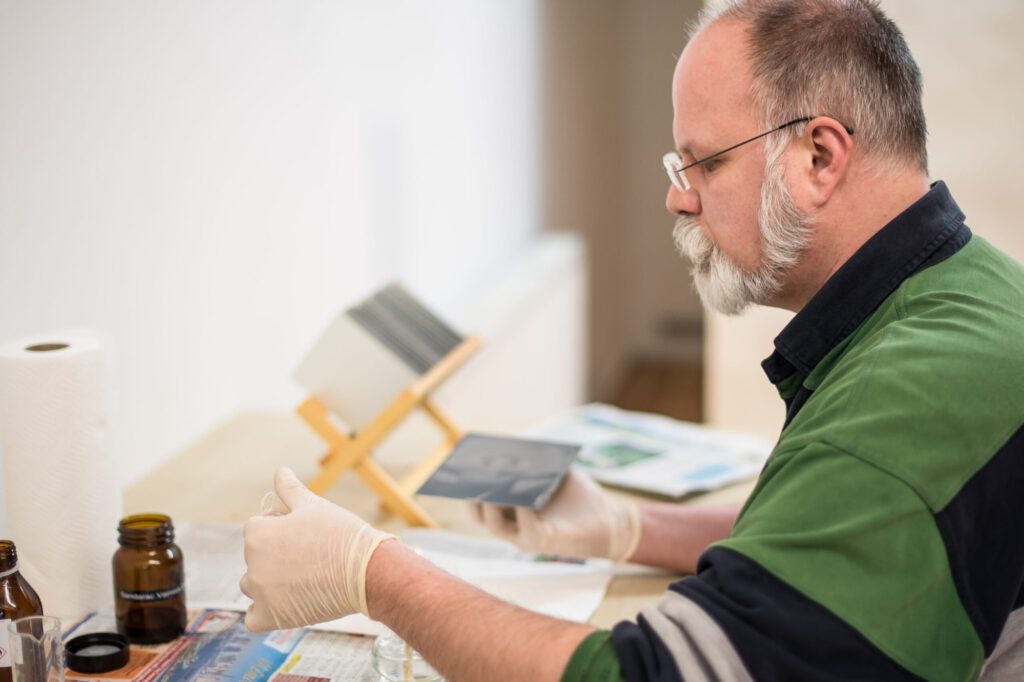
At the ZIGUTAMVE studio, we invite you to try historical processes yourself on five consecutive days, each from 9 am to 6 pm:
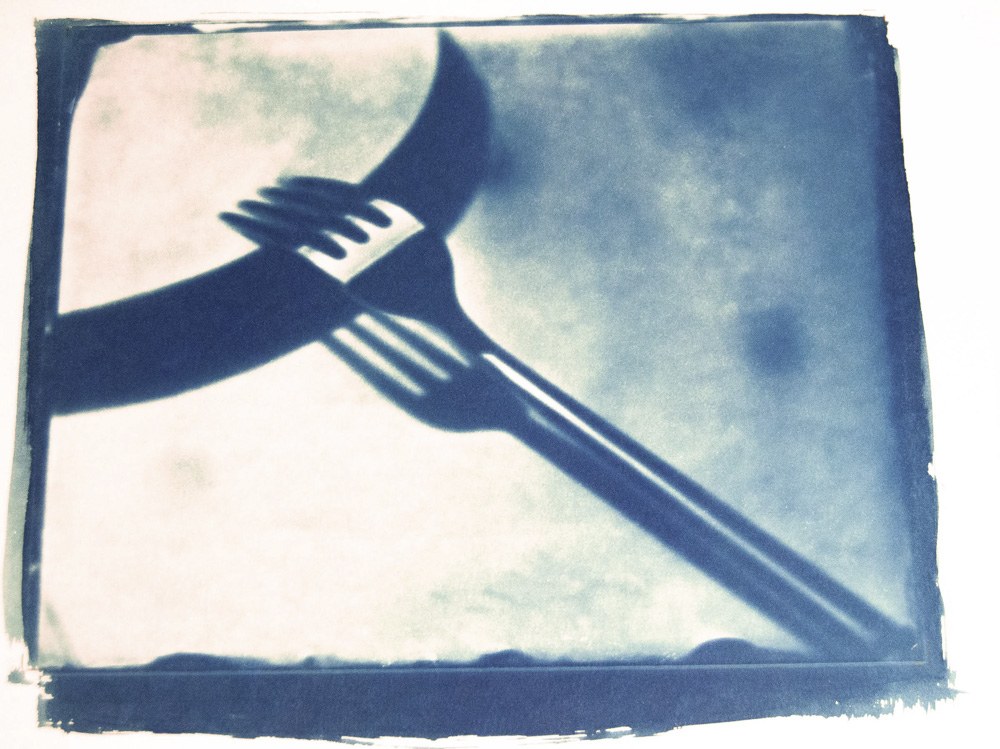
- Tue, 1 December – Cyanotype: the classic iron-based “blueprint” process of 1842, exposed with UV light or sunlight and developed in water.
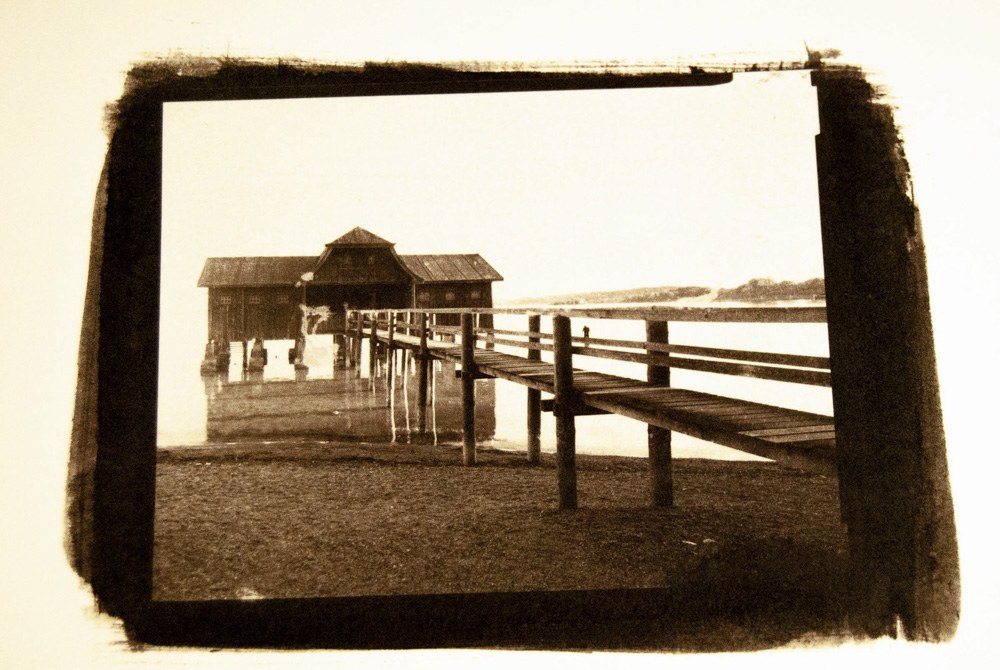
- Wed, 2 December – Salt and albumen print: two of the earliest silver processes in photographic history – from matte salted paper to the glossy egg-white prints of the 19th century.
- Thu, 3 December – Kallitype: an iron-silver process with warm, deep brown tones, often called the “poor man’s platinum print”.
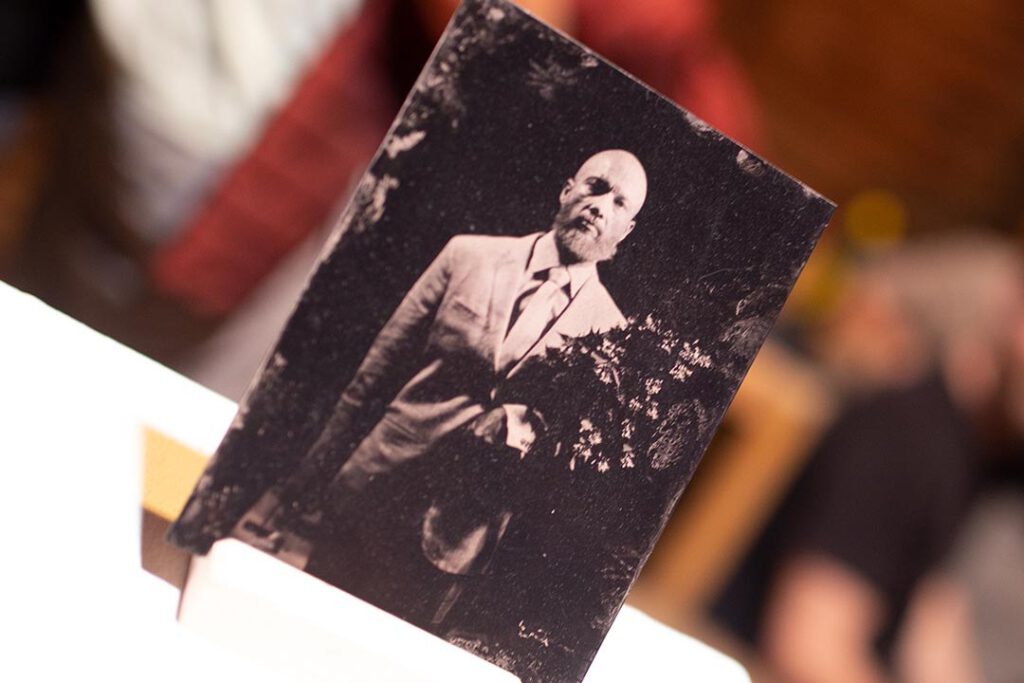
- Fri, 4 December – Wet plate collodion: tintypes & ambrotypes: one-of-a-kind images on metal or glass – coated, exposed and developed while the collodion layer is still wet.
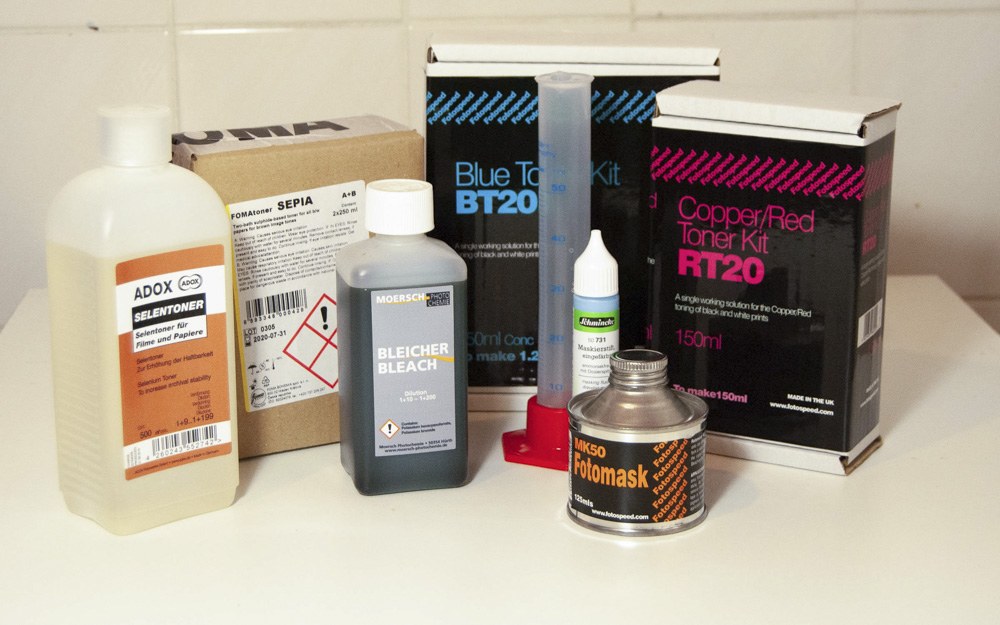
- Sat, 5 December – Toner & toning techniques: how toning with gold, palladium and other agents changes the colour, depth and permanence of alternative prints.
Content, materials and registration are available in the festival’s workshop shop.
Press coverage and growth
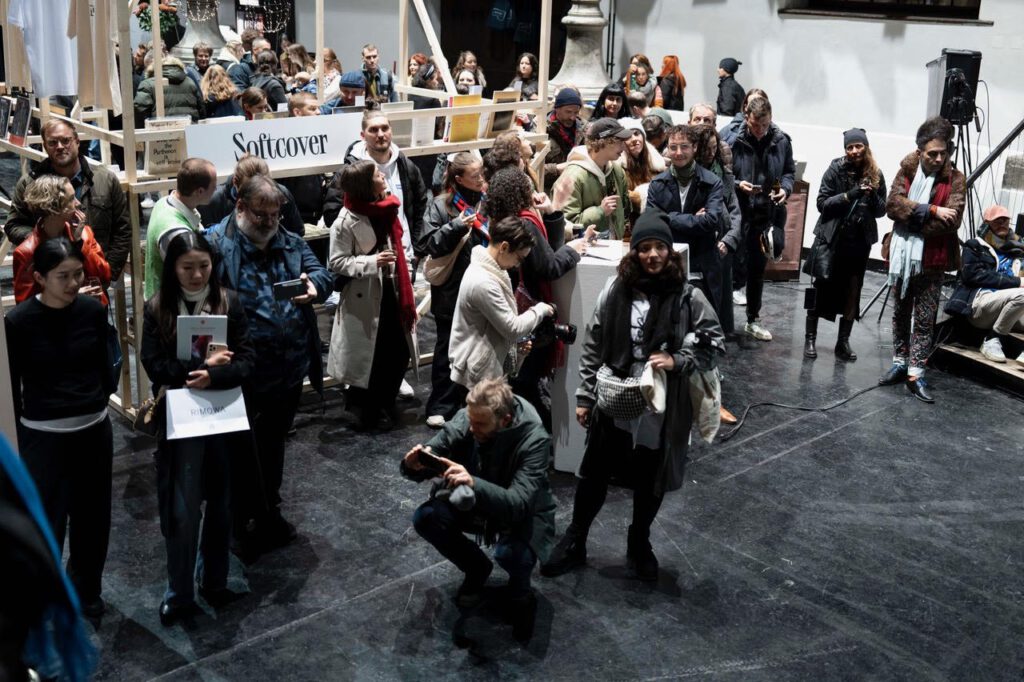
Since its launch in 2021 – still scaled down because of the pandemic – ROTLICHT has grown rapidly. According to the organisers’ estimates, around 1,200 visitors came in 2022 and about 5,200 from Austria and abroad in 2023 – more than four times as many. Many travel to Vienna specifically for the festival and stay several nights. The open call is in international demand too: 460 submissions from 44 countries in 2023, 332 from 43 countries in 2025 and now 327 from 44 countries. The organisers have not yet published visitor figures for 2024 and 2025.
The media have followed this development closely. ORF Wien reported on the third edition in 2023, with around 30 exhibitions and more than 20 workshops in 13 districts. In 2024, “Die Presse – Schaufenster” published an in-depth feature, describing the festival as firmly rooted in Vienna’s cultural life. Specialist media such as Profifoto and LFI – Leica Fotografie International regularly announce ROTLICHT; LFI sees the festival as proof of how vibrant and relevant analogue photography is today.
“We are somewhere between underdog and official festival.”
Dino Rekanović in “Die Presse – Schaufenster”, 2024 (translated)
The festival is also well connected internationally: in 2022, ROTLICHT and 14 other festivals initiated a partnership that became the Analog Photography Festival Network; its members share open calls and offer award winners further exhibition opportunities, for example at Photodays Rovinj.
Wiener Alchemisten
Dino Rekanović and Torsten Wieczorek share a passion for the wet plate collodion process. As the Wiener Alchemisten, they work with large format cameras and a mobile darkroom, creating images of light and silver that feel timeless yet carry a contemporary signature.
We look forward to welcoming you in Vienna in November and December – in the exhibition, at a talk or at our workbench. Programme, tickets and registration are available on the ROTLICHT Festival website.
Sources and image credits
- ROTLICHT Festival – website with winners 2026, jury and open call
- press text 2026, press text 2025
- project description 2023, project description 2024 (visitor figures: organiser estimates)
- ORF Wien: “Analoge Fotografie beim Rotlicht Festival”, 17 Nov 2023
- Die Presse – Schaufenster: “Licht in die Dunkelkammer”, Magdalena Mayer, 31 Oct 2024
- Profifoto: “Rotlicht Festival”, 10 Oct 2024, LFI – Leica Fotografie International: “Rotlicht Festival Vienna”
- Images and logo: ROTLICHT Festival press kit; photographers named in the captions